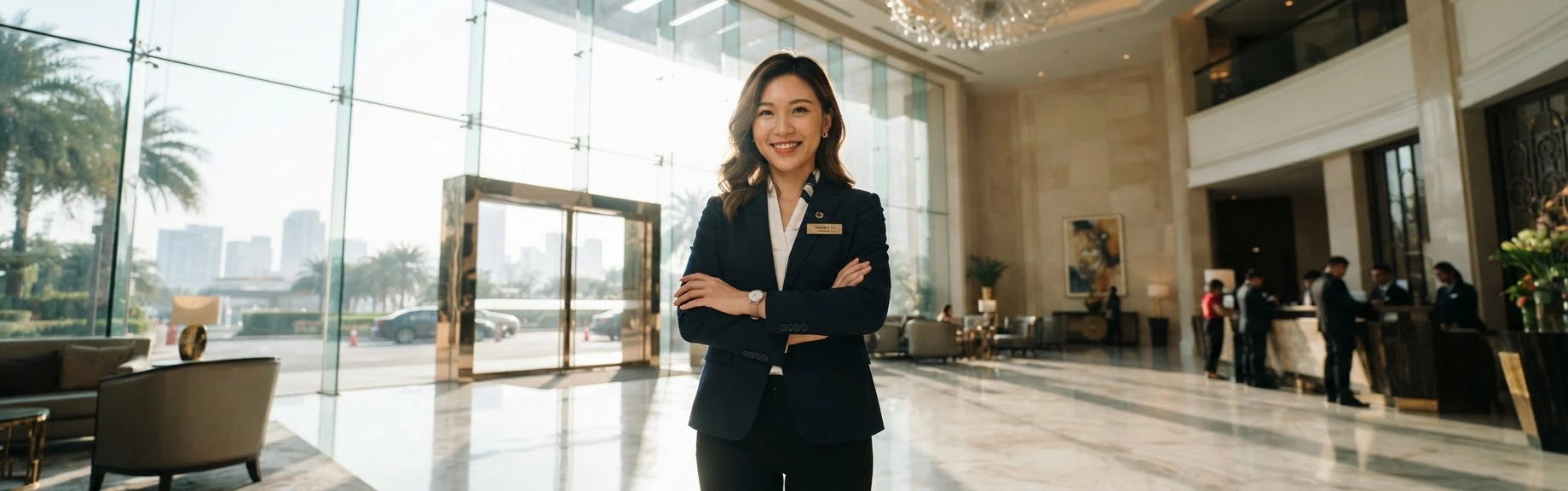


For decades, the archetype of a world-class luxury Hotel General Manager was defined by grace, guest diplomacy, and flawless operational oversight. Rising through the ranks of Food & Beverage or Rooms Division, the traditional GM was expected to be the quintessential host—shaking hands in the lobby, curating Michelin-starred dining experiences, and ensuring impeccable guest satisfaction scores.
Today, the rules of luxury hospitality have fundamentally shifted.
Behind the scenes of the world’s most prestigious properties are the real estate developers, sovereign wealth funds, and private equity investors who fund the physical real estate. For these asset owners, operational charm is merely a baseline requirement. What they urgently demand—and are willing to pay top dollar for—is a strategic asset manager operating in a GM’s role.
As premier executive search partners to leading hospitality investors worldwide, we analyze the essential traits transforming the traditional hotelier into an irreplaceable commercial strategist over the next five years.
The Core Divide: Operational Caretaker vs. Asset Strategist
The fundamental difference between an average GM and a top-tier executive lies in whose lens they look through.
An operational manager asks: “Are the guests happy, and are our rooms full?”
An asset-minded GM asks: “How does our current operation maximize the net asset value (NAV) and bottom-line return for the real estate owner?”
| Dimension | Traditional Operations Caretaker | The Modern Asset Strategist GM |
|---|---|---|
| Primary Metric | Occupancy (OCC), ADR, RevPAR | Gross Operating Profit (GOP), EBITDA, Flow-Through |
| Space Utilization | Standard hotel zoning (Lobby, F&B, Rooms) | Revenue per square meter; repurposing dead space |
| Capital Expenditure | Submits budget wishlists to the owner | Justifies CapEx with clear ROI, lifecycle, and payback models |
| Cost Management | Reactive headcount control | Proactive labor engineering, dynamic pricing, and AI automation |
| Owner Relationship | Defends brand standards against owner demands | Bridges brand integrity with owner’s long-term financial exit |
The 4 Defining Traits of the Next-Generation Hotel Leader
1. Fluency in Real Estate Financials and Capital Allocation
A premier GM must speak the native language of institutional investors: EBITDA, Net Operating Income (NOI), Internal Rate of Return (IRR), and Capital Expenditure (CapEx) yield.
Owners do not view hotels as static hospitality businesses; they view them as high-yielding commercial real estate assets. High-earning leaders demonstrate a sharp understanding of capital allocation:
- Knowing when to deploy FF&E (Furniture, Fixtures, and Equipment) reserves for immediate yield vs. when to preserve cash.
- Rethinking underperforming real estate—such as converting underutilized conference halls into high-margin wellness memberships, co-working lounges, or branded retail concessions.
- Negotiating with management brands to prevent unnecessary, low-ROI capital mandates that burden the owner.
2. Relentless Focus on GOP and Flow-Through Efficiency
Top-line revenue is vanity; bottom-line flow-through is sanity. While revenue management has traditionally focused on RevPAR, owners care about TrevaPAR (Total Revenue per Available Room) and GOPPAR (Gross Operating Profit per Available Room).
With rising labor costs, energy inflation, and supply chain volatility, the next generation of GMs must be operational engineers:
- Algorithmic & AI Integration: Leveraging predictive analytics and automation to optimize staffing models without diluting the high-touch luxury guest experience.
- Non-Room Revenue Optimization: Engineering F&B concepts that attract high-spending local patrons, turning dining outlets from loss leaders into autonomous profit centers.
- Contract Optimization: Auditing third-party vendor contracts and energy systems to extract non-labor operational savings.
3. Alignment with the Owner’s Strategic Lifecycle
Real estate developers and investors do not all share the same holding horizon. A truly commercially-minded GM aligns every operational decision with the owner’s overarching financial lifecycle:
- The Short-to-Medium Horizon (3–5 Years): Driving rapid EBITDA growth and repositioning the property to secure maximum valuation at disposition (sale).
- The Long-Term Hold (10+ Years): Prioritizing sustainable asset preservation, proactive preventive maintenance, and steady cash-flow yield.
- Debt Refinancing & Valuations: Understanding how property appraisal metrics work, ensuring the hotel’s operational stability supports advantageous borrowing terms for the owner.
4. ESG as an Engine for Asset Appreciation, Not Just PR
Environmental, Social, and Governance (ESG) standards have evolved from corporate marketing initiatives into mandatory institutional investment criteria. Global real estate funds and corporate travelers demand verifiably sustainable assets.
Forward-looking GMs champion sustainability through an investment lens:
- Securing green building accreditations (such as LEED or BREEAM) that reduce utility consumption costs while increasing building valuation.
- Eliminating operational waste to lower carbon taxes and operating expenses.
- Future-proofing the property against tightening climate regulations that could otherwise lead to costly retrofits down the road.
Navigating the Dual Loyalty: Brand Standards vs. Owner Returns
Perhaps the most delicate challenge facing modern hotel leaders is the inherent tension between the Hotel Operator (Brand) and the Property Investor (Owner).
While the management brand prioritizes brand consistency, system fees, and guest loyalty, the owner is solely responsible for service debt, capital maintenance, and equity returns.
Top executive recruiters actively seek leaders who can master this diplomatic tightrope. The modern GM does not act merely as an enforcer of brand manuals; they act as a value-creating bridge, negotiating pragmatic solutions that preserve the brand’s luxury allure while safeguarding the owner’s capital.
Are You Positioned as an Asset Strategist?
The compensation ceiling for traditional operational hoteliers has stagnated. In contrast, the market premium for GMs who understand capital efficiency, property valuation, and owner alignment is at an all-time high.
If your track record is defined not just by guest commendations, but by measurable GOP growth, optimized CapEx execution, and enhanced asset value, your profile belongs in front of the world’s leading hotel investment groups.
Partner with Our Hospitality Executive Search Practice
Whether you are a hotel owner or real estate developer seeking a high-caliber leader to unlock the true commercial value of your hospitality asset, or a senior executive ready to align with board-level opportunities: