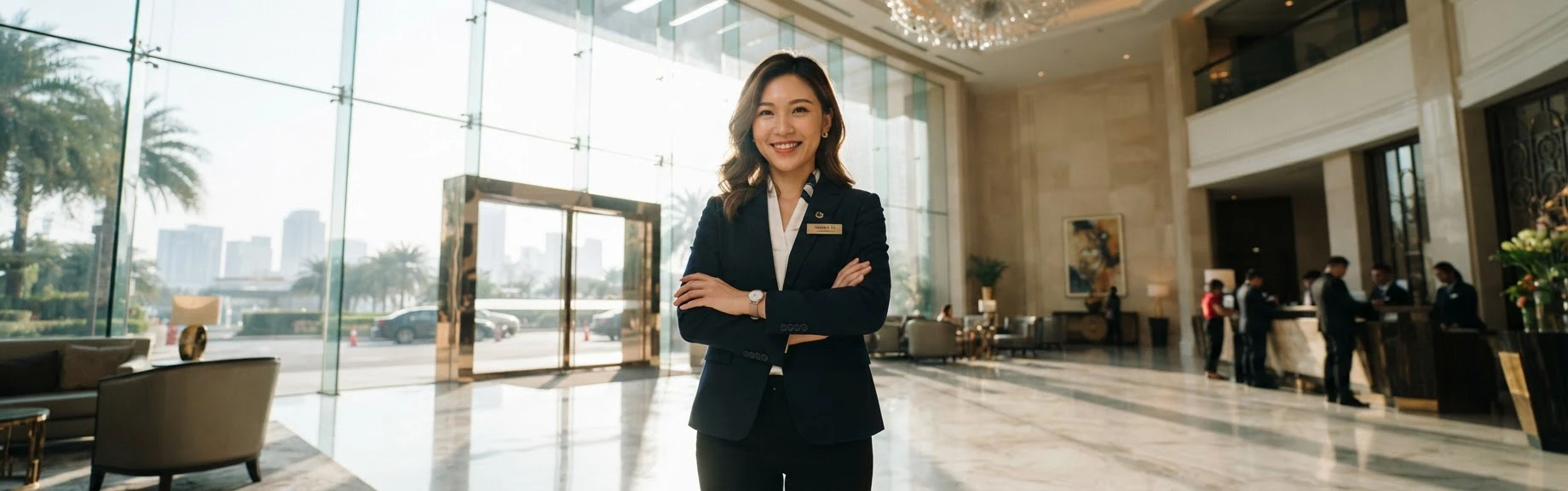

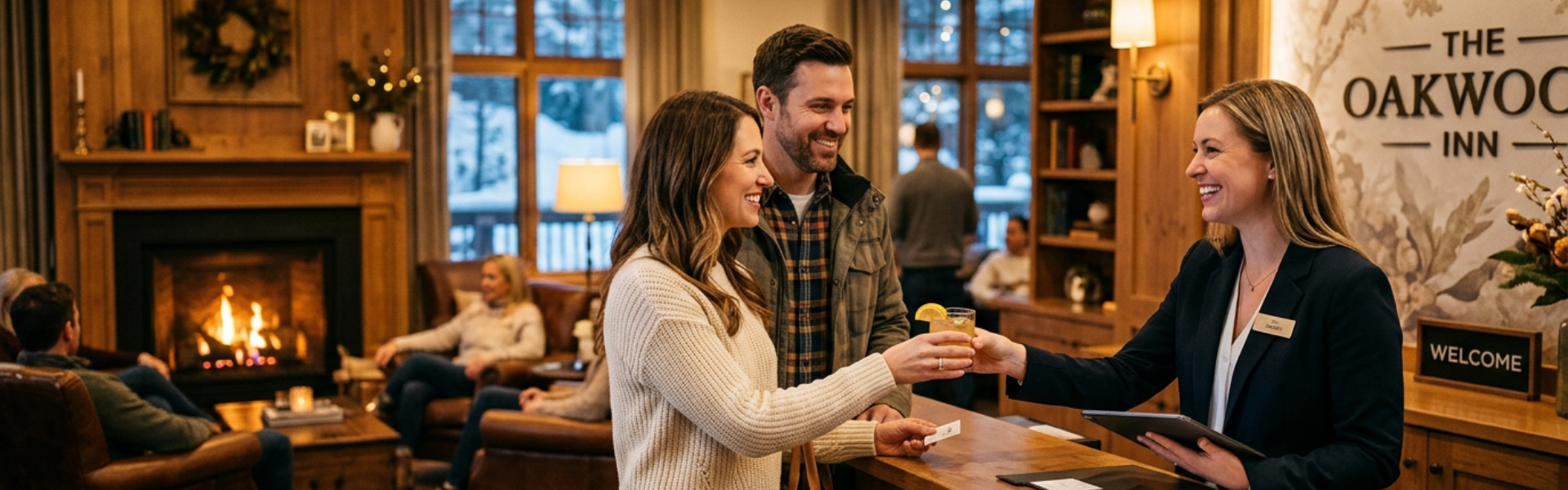
As we step into 2026, hotel industry trends have undergone a massive transformation. Generative AI and Internet of Things (IoT) technologies are no longer avant-garde gimmicks; they are the standard equipment of modern smart hotels. However, when automated check-ins and AI room butlers become ubiquitous, how can a hotel brand stand out?
The answer does not lie in investing in more cold machinery, but in rediscovering the perfect balance between “technology” and “humanity.” The ultimate hospitality in 2026 lies in the intersection where “Invisible AI” meets “Warm Service.”
1. The Highest Realm of Technology: Creating a Seamless “Invisible AI” Experience
During past hotel digital transformations, many brands were eager to “show off” technology to their guests, such as lobby robots or complex room control panels. But in 2026, the most premium tech experience is “imperceptible.”
True hotel AI applications should run silently in the background, flawlessly handling tedious administrative processes:
- Upgraded Contactless Services: Through biometric technology, guests can complete identity verification and check-in procedures from the moment they step into the lobby to entering their rooms, without ever stopping at the front desk.
- Predictive Maintenance: AI systems can automatically report maintenance needs before an air conditioner or water heater breaks down, ensuring the guest’s stay is completely uninterrupted.
When technology becomes invisible, what guests feel is an unprecedented level of fluidity and relaxation.
2. Redefining Staff Roles: From Administrators to “Experience Designers”
Many worry that hotel automation will replace human labor, but the exact opposite is true. AI has taken over repetitive tasks like scheduling, inventory management, and basic customer service Q&A, which in turn frees up front-line staff’s most valuable asset: “Time.”
In the successful hotel models of 2026, the roles of front desk and service personnel have transformed:
- Local Culture Ambassadors: Staff now have more time to interact with guests, sharing hidden local gems and stories, thereby building deep customer relationships.
- Creators of Personalized Surprises: No longer trapped behind computer screens, employees can proactively observe guest needs in the lobby and provide instant, human-centric interactions. This “emotional connection” is something no advanced AI can replicate.
3. Data-Driven Empathy: Anticipating Needs Before the Guest Does
The core of guest experience optimization is “understanding the guest’s heart.” Smart hotels in 2026 utilize big data and AI predictive models to transform “passive service” into “proactive care.”
- Flight-Synchronized Services: When the AI system detects a severe delay in a guest’s flight, the hotel can automatically prepare soothing hot tea and light snacks in the room, and adjust the lighting to a sleep-friendly mode.
- Personalized Accommodation Preferences: Using historical data, the system can automatically adjust the room temperature, pillow material, and even background music to the guest’s exact preferences.
This data-driven “empathy” makes guests feel meticulously cared for before they even have to ask.
Ready for 2026? Is Your Hotel Prepared to Upgrade?
In the competitive landscape of 2026, the ultimate goal of hotel digital transformation is not to show off technology, but to “return to humanity.” Leveraging invisible AI to handle complex tasks so that staff can focus on delivering warm, human service is the only golden rule for increasing guest satisfaction and brand loyalty.