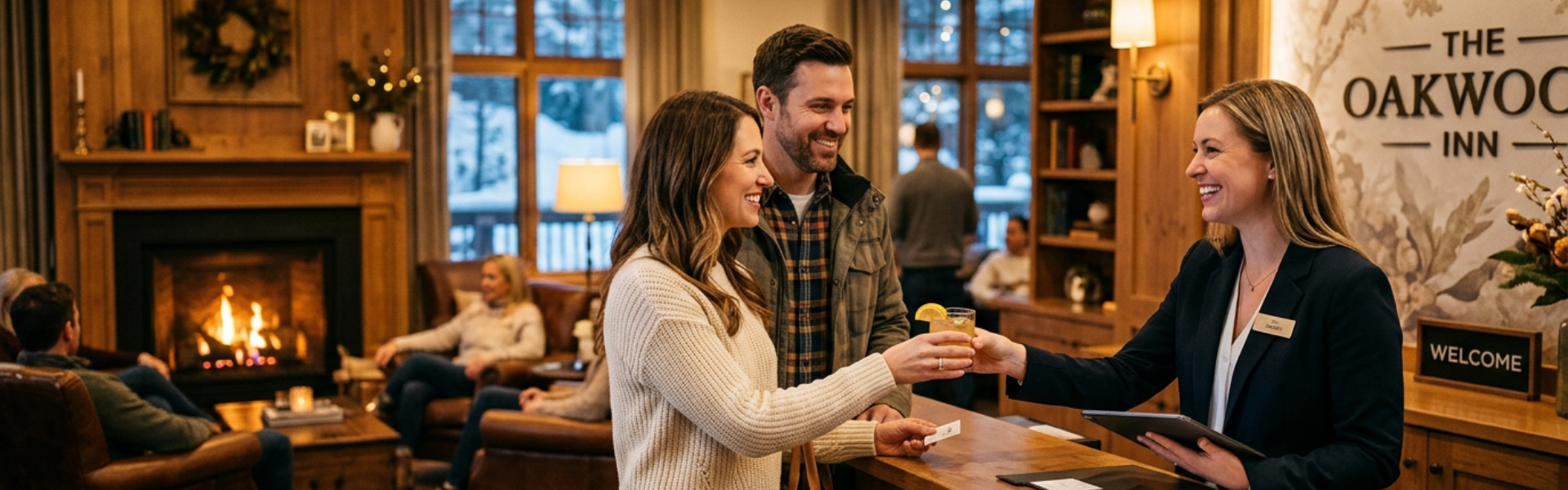


The hospitality industry is notorious for its high employee turnover rates. For hotel managers and executives, constantly replacing and retraining staff is not only a logistical nightmare but also a direct threat to the consistency of guest experiences.
While many assume that retention is purely a matter of budget, the reality is that employees often leave managers, not just properties. True loyalty is built through impactful leadership, a supportive work environment, and a strong sense of belonging. If you want to break the cycle of high turnover, it is time to shift from being a traditional manager to an inspiring leader.
Here are five essential leadership strategies to build a highly loyal and motivated hospitality team.
1. Cultivate a Culture of Purpose and Belonging
In the fast-paced hotel environment, it is easy for frontline staff—from housekeeping to the front desk—to feel like mere cogs in a machine. Leaders must bridge the gap between daily tasks and the bigger picture.
Instead of just telling a room attendant to clean a suite, emphasize how their impeccable standards create a sanctuary for a weary traveler. When employees understand the “why” behind their work and see how they contribute to the overall guest experience, their job transforms into a purpose.
Actionable tip: Start your daily shift briefings by sharing positive guest feedback that highlights specific team members. Recognizing their direct impact fosters a deep sense of pride and belonging.
2. Implement Transparent and Two-Way Communication
A lack of communication breeds frustration and rumors, which quickly erode team morale. Effective communication in the workplace is a cornerstone of employee retention. Hospitality leaders must create an environment where information flows seamlessly across all departments, and more importantly, where employees feel heard.
Loyal teams are built on trust, and trust requires transparency. If there are changes in hotel operations, upcoming busy seasons, or new brand standards, communicate them early and clearly.
Actionable tip: Host regular “town hall” meetings or informal coffee chats where staff can voice their operational challenges without fear of judgment. Active listening shows your team that their daily reality matters to the leadership.
3. Empower Frontline Staff to Make Decisions
Micromanagement is a massive driver of employee burnout and turnover. When hotel staff have to ask for a manager’s approval for every minor guest issue, they feel undervalued and untrusted.
Empowerment is a powerful retention tool. By giving your team the authority to resolve guest complaints or create “wow” moments on the spot, you boost their confidence and job satisfaction. An empowered employee feels like a trusted partner in the business rather than a subordinate.
Actionable tip: Create clear “empowerment guidelines.” For example, allow front desk agents or food and beverage staff to offer complimentary amenities up to a certain value to resolve a guest issue instantly, without needing a manager’s signature.
4. Prioritize Well-being and Mental Health
Hospitality is a high-pressure, emotionally demanding industry. Dealing with difficult guests, managing back-to-back events, and working long, irregular shifts can take a severe toll on an employee’s mental and physical health. Leaders who ignore this reality will inevitably lose their best talent to burnout.
To build a loyal team, you must show genuine care for their well-being. This means respecting their time off, ensuring they take their scheduled breaks, and being empathetic when personal crises arise.
Actionable tip: Implement a “decompression zone” in the back-of-house area—a quiet, comfortable space where staff can genuinely relax during their breaks away from the noise of hotel operations.
5. Provide Clear Pathways for Skill Development
A major reason ambitious employees leave a hotel is the feeling of being “stuck” in their current roles. High-performing individuals crave growth, mastery, and new challenges. If they cannot find these opportunities within your property, they will look for them at a competitor’s hotel.
Leadership involves mentoring. You must take an active interest in your team members’ professional development. This doesn’t always mean vertical promotions; it can also mean lateral growth, cross-training, and acquiring new skill sets.
Actionable tip: Introduce a cross-departmental shadowing program. Allow a passionate food and beverage server to shadow the event planning team for a few days a month. This breaks down departmental silos, keeps the work exciting, and shows that you are invested in their long-term career success.
Reducing turnover in the hospitality industry requires a proactive and empathetic approach to leadership. By fostering a sense of purpose, ensuring open communication, empowering your staff, prioritizing their well-being, and investing in their professional growth, you can transform your hotel into a place where top talent wants to stay.
Remember, a loyal team naturally translates into exceptional service—and that is the ultimate competitive advantage for any hotel.